Homeowner guide
Planning a Custom Cabinetry Project
Start with what you want the room to do better. A few photos, rough dimensions, and a clear list of priorities are enough to begin a useful cabinetry conversation.
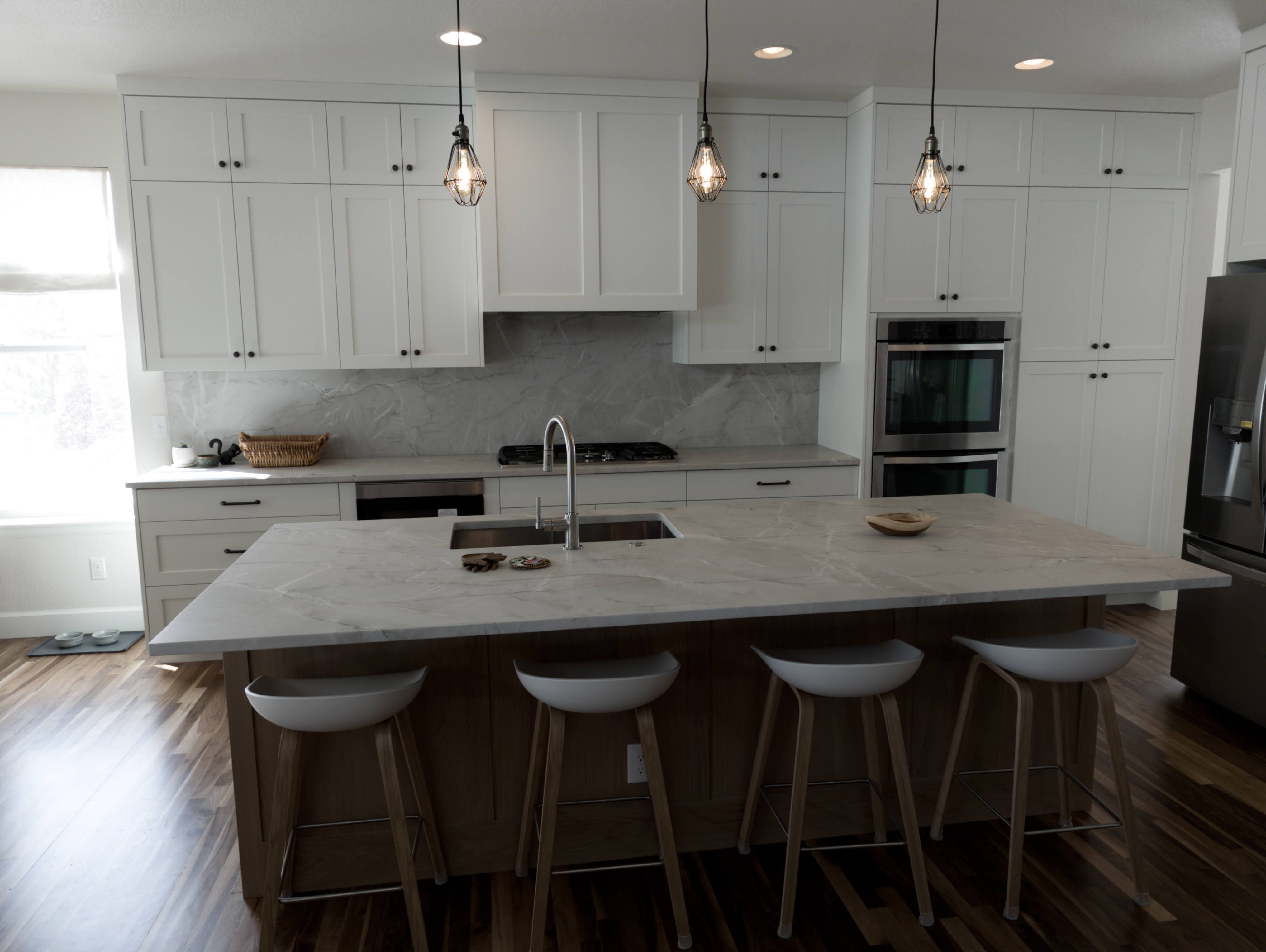
Start with a day in the room
Walk through the routines the new cabinets need to support. In a kitchen, note where groceries land, where you prep meals, and which items need to be easy to reach. For a mudroom, count the coats, bags, and shoes that pile up on a busy day. Those specifics help determine where drawers, shelves, and tall storage belong.
Make a short list of priorities
Separate the features you need from the ones you would enjoy. Deep drawers for pots, a landing spot for small appliances, or a dedicated place for recycling can all affect the layout. Note anything you plan to keep, including appliances, flooring, and countertops. Bring appliance model numbers if you have them so clearances and opening sizes can be checked.
Bring photos and rough dimensions
Take wide photos from a few corners and close-ups of anything that may affect the cabinets, such as vents, outlets, or trim. A quick sketch showing wall lengths, door and window locations, and ceiling height is useful for the first conversation. If you have plans, share those too. The cabinet layout and fabrication dimensions can be confirmed as the design develops.
Talk about budget and timing early
A preliminary budget gives us a way to discuss where to put your money. Cabinet layout, door style, finishes, and specialty hardware can all change the scope. Share any dates that matter, especially if the cabinetry is part of a larger remodel with demolition, electrical work, flooring, or countertops to coordinate.
Review the details before fabrication
Once the layout takes shape, look at how doors and drawers open, what will fit inside, and where the cabinetry meets appliances and walls. Review finish samples in the room’s light. A few minutes spent checking a coffee station, pantry, or drawer layout on paper can make a difference every day after installation.